


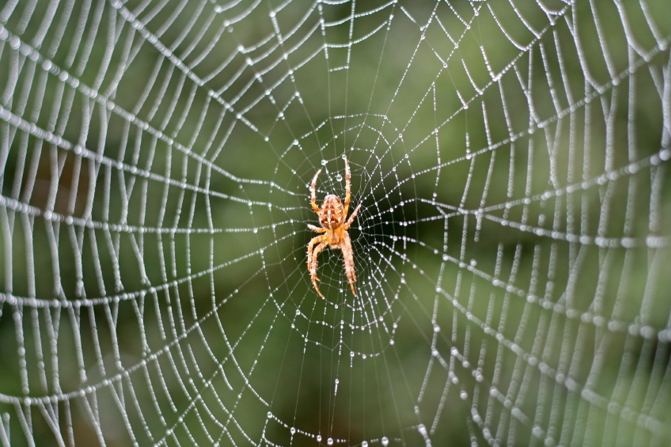
Spiders are common household pests that often make their way inside in search of food, shelter, or a suitable place to build their webs. While most spiders are harmless and even beneficial in controlling insect populations, some species can be a nuisance—or worse, a potential danger. If you’re dealing with a spider problem, professional pest control services have specific treatments and strategies to help eliminate them effectively.
How Do Pest Control Experts Get Rid of Spiders?
Professional pest control technicians use a combination of methods to remove spiders and prevent them from returning. These methods typically include insecticide treatments, targeted sprays, and preventive measures to eliminate spider-friendly environments.
1. Insecticide Sprays and Residual Treatments
One of the most common ways exterminators deal with spiders is through the use of specialized insecticide sprays. These sprays are formulated to kill spiders on contact while leaving a residual effect that prevents new spiders from settling in treated areas. Some of the most effective ingredients found in professional-grade insecticides include:
- Pyrethrins and Pyrethroids – Derived from chrysanthemum flowers, these chemicals work quickly to paralyze and kill spiders and other insects.
- Bifenthrin and Cyfluthrin – These synthetic pyrethroids provide long-lasting protection by creating a barrier that repels and kills spiders over time.
- Fipronil – Often used in powder or liquid form, this chemical disrupts the spider’s nervous system, making it highly effective in eliminating infestations.
2. Perimeter Treatments
To prevent spiders from entering a home, professionals often apply a perimeter treatment around the exterior of the building. This creates a protective barrier that keeps spiders and other pests from making their way inside through cracks, gaps, and other entry points.
3. Web Removal and Physical Exclusion
Professional pest control services don’t just rely on chemicals—they also focus on physical methods to keep spiders out. These include:
- Web Removal– Spiders often return to the same locations to rebuild their webs. Removing webs regularly discourages them from staying in an area.
- Sealing Entry Points – Cracks in walls, gaps around doors and windows, and openings in vents or pipes serve as easy access points for spiders. Exterminators use caulking, door sweeps, and mesh covers to block these entryways.
4. Baiting and Traps
For more stubborn infestations, professionals may use glue traps to monitor and capture spiders. These traps are placed in corners, behind furniture, or near baseboards where spiders are commonly seen. While traps won’t eliminate an infestation on their own, they are an effective tool for identifying problem areas and reducing spider populations.
What’s the Best Way to Treat Spiders in Your Yard?
Spiders are often drawn to outdoor spaces that provide plenty of hiding spots and access to prey. If you’re seeing a lot of spiders around your home’s exterior, pest control services may recommend the following steps:
- Reduce clutter – Stacks of wood, piles of leaves, and other debris provide the perfect hiding spots for spiders. Keeping your yard clean and well-maintained will make it less appealing to them.
- Trim vegetation – Spiders often use overgrown bushes and trees as bridges to enter your home. Trimming back plants that touch the exterior of your house can help keep them at bay.
- Apply outdoor insecticides – Professionals may use insecticides labeled for outdoor use to target spider hotspots around patios, sheds, and landscaping. Natural deterrents like vinegar and peppermint oil sprays can also be effective.
How to Prevent Spiders from Coming Back
Once a pest control treatment has been applied, it’s essential to take steps to prevent spiders from returning. Here are some ways to keep them out long-term:
- Regular Cleaning – Spiders thrive in undisturbed areas. Vacuuming corners, baseboards, and behind furniture helps remove spiders, eggs, and webs.
- Eliminate Other Pests – Spiders feed on insects, so reducing the number of bugs in your home will make it less attractive to them.
- Use Spider Repellents – Natural repellents such as essential oils (peppermint, citrus, and tea tree oil) can deter spiders when applied to entry points and problem areas.
Final Thoughts
Professional pest control companies have the knowledge and tools needed to effectively eliminate spider infestations. Whether through targeted insecticide treatments, exclusion methods, or routine maintenance, these experts ensure that your home stays spider-free. If you’re struggling with a persistent spider problem, reaching out to a professional exterminator may be the best solution to keep your home safe and comfortable.
Apart from that if you want to know about “How Long After Pest Control Is It Safe for Pets?” then please visit our health Category.
