

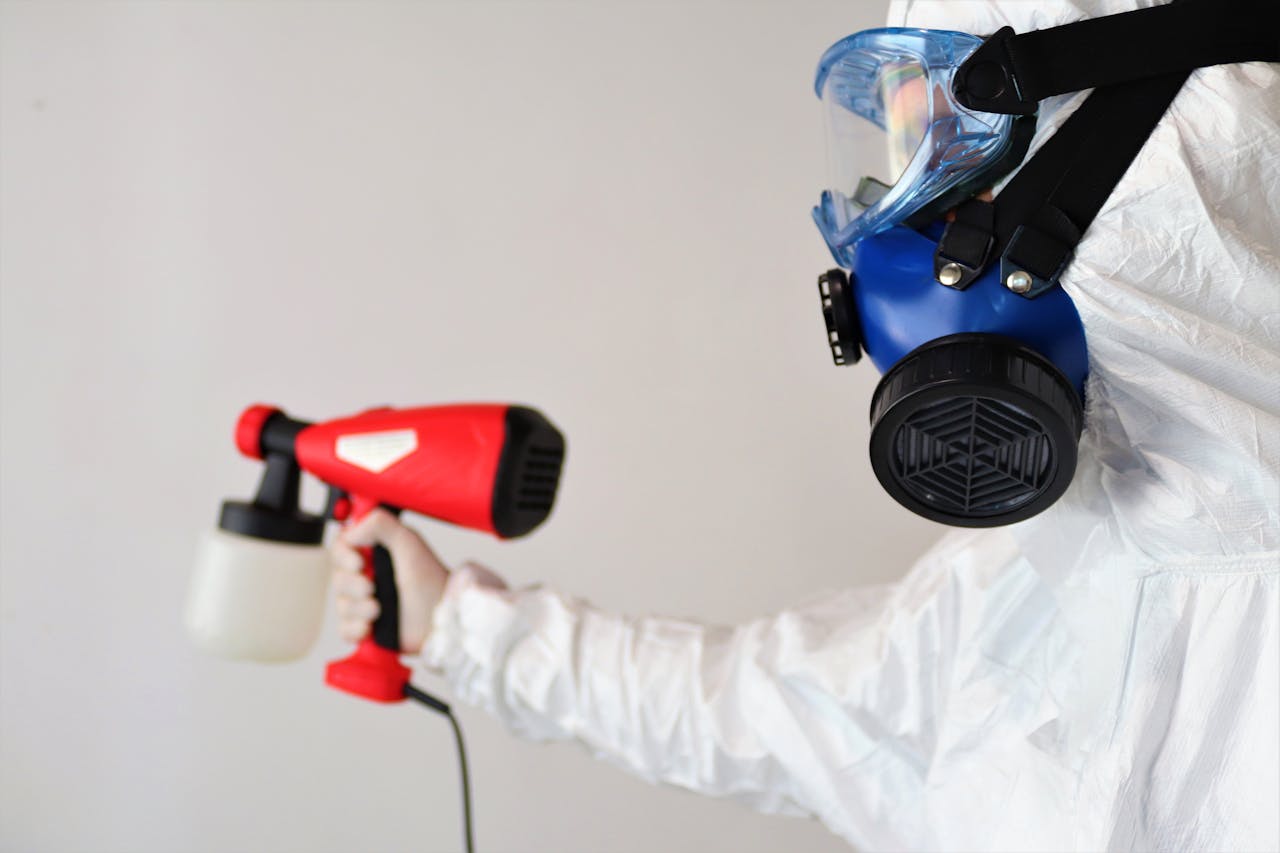
When dealing with pest control treatments, one of the most frequently asked questions is, “How long does it take for the spray to dry?” This is an important consideration for safety and maximizing the treatment’s effectiveness. While drying times can vary depending on the specific treatment used and environmental factors, understanding the typical timeline is key, especially when ensuring the safety of children, pets, and yourself.
For those seeking effective solutions from a Redmond pest control company, knowing how long the spray takes to dry and when it’s safe to re-enter your home after treatment can help you plan appropriately.
Typical Drying Time for Pest Control Sprays
Generally, most pest control sprays dry within 25 to 30 minutes. However, this can vary depending on several factors:
- Type of Pest Being Treated: For common household pests such as ants, cockroaches, and spiders, the drying time tends to fall within the 30-minute range.
- Product Used: Different products have varying drying times. Some professional-grade treatments may dry faster, while others might take slightly longer.
- Environmental Conditions: Humidity and temperature also play a role. In highly humid environments, the drying time might extend beyond 30 minutes, while in drier conditions, the spray may dry more quickly.
Once the spray dries, it forms a protective barrier on treated surfaces. Pests that come into contact with this barrier will absorb the pesticide, leading to their elimination. However, it’s important to remember that during this drying phase, precautions should be taken to avoid contact with wet surfaces.
Why Is Drying Time Important?
Understanding why drying time is important is essential for both safety and treatment effectiveness.
- Safety Considerations: Modern pest control products are designed to be safe once they are dry. However, before the spray dries, there is still a risk of exposure. This is particularly concerning for children and pets, who may be more sensitive to the chemicals used. It’s crucial to wait the recommended drying time to ensure everyone’s safety.
- Maximizing Effectiveness: The effectiveness of the treatment can also be compromised if the pesticide is not allowed to dry fully. Wet surfaces may dilute or reduce the product’s efficacy. Once dried, the pesticide adheres to the surface, creating a more durable and effective pest barrier.
What Should You Do After the Spray Dries?
Once the pest control spray has dried, it’s safe to resume your regular activities, but it’s important to follow a few best practices to ensure that the treatment remains effective:
- Avoid Mopping or Wiping Treated Surfaces: For several days after treatment, avoid mopping or wiping down areas where the spray was applied. This is especially important around the edges of rooms, baseboards, or cracks where pests are likely to travel. Cleaning too soon after treatment can remove or dilute the pesticide, making it less effective.
- Ventilate the Area: After the spray has dried, ventilating the treated area by opening windows or turning on fans can help disperse any lingering fumes. This ensures that the air quality is safe, especially for those with respiratory sensitivities.
- Monitor Pest Activity: It’s not unusual to see an increase in pest activity after treatment. This happens because pests are being driven out of their hiding places by the treatment. Don’t be alarmed if you notice more pests in the first few days; this typically means the treatment is working. Over the next few weeks, pest activity should decrease as the pesticide takes full effect.
- Plan for Follow-Up Treatments: Depending on the severity of the infestation, follow-up treatments may be necessary. Some pests, particularly those with more resilient populations like bed bugs or termites, might require multiple applications to fully eradicate the issue. Discuss a follow-up plan with your pest control technician to determine the best course of action.
How to Ensure the Best Results from Pest Control Spray
To get the most out of your pest control treatment, follow these additional tips:
- Minimize Disruptions: Keep the treated areas undisturbed for as long as possible. This includes avoiding unnecessary contact with treated surfaces and ensuring that pets and children are kept away until everything has dried completely.
- Communicate with Your Pest Control Technician: Every home is different, and pest control treatments can be tailored to your specific needs. Speak with your technician about any concerns you have regarding drying time, pets, or family members, and they can provide recommendations to ensure everyone’s safety.
Final Thoughts
Knowing how long pest control spray takes to dry is essential for ensuring both safety and the effectiveness of the treatment. Most treatments dry within 30 minutes, but several factors can influence the exact drying time. By understanding the drying process and following proper precautions, you can ensure that the treatment works as intended and keeps your home free from pests.
If you’re looking to get professional pest control services, a Redmond pest control company can offer safe and effective solutions to protect your home. Whether you need routine pest management or help with a specific infestation, understanding the drying time is a key part of the process for long-term pest control success.
Apart from that if you want to know about “What to Evaluate Before Knee Replacement Surgery: Essential Considerations” then please visit our “Health” Category.
