

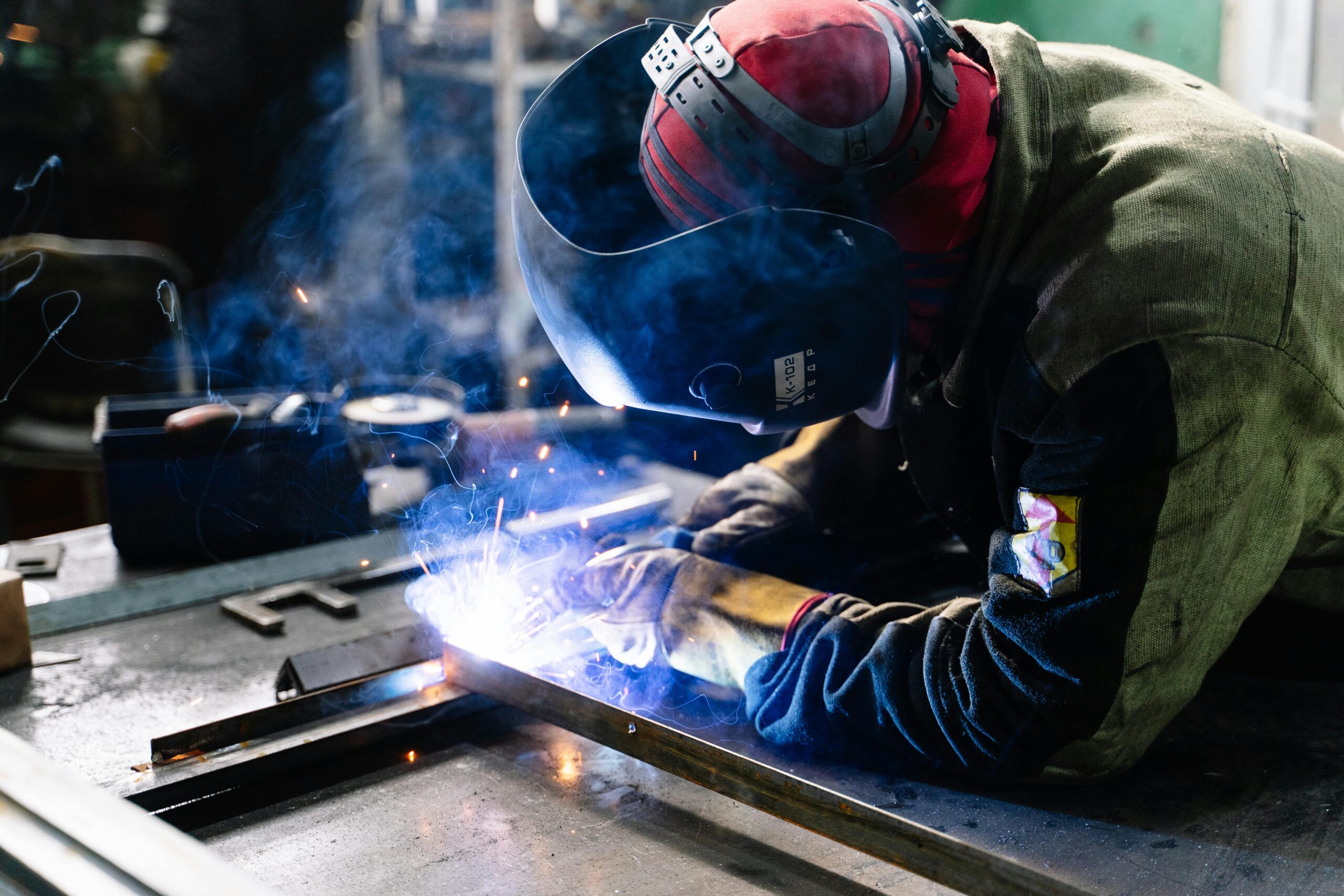
Steel fabrication plays a crucial role in modern construction, manufacturing, and design. It is the process of transforming raw steel into various structures and components used across industries. Whether for architectural frameworks or industrial machinery, steel fabrication has become an indispensable part of creating durable, reliable, and versatile materials.
What is Steel Fabrication?
Steel fabrication is the process of cutting, bending, and assembling steel to produce specific shapes and structures. It involves using raw steel—produced in mills—and shaping it to meet the needs of a project. This meticulous process can include techniques like welding, machining, and forming, tailored to achieve precise results. Fabricators utilize advanced machinery and tools to ensure accuracy, strength, and adherence to design specifications.
Key Applications of Steel Fabrication
Steel fabrication services from trusted providers like Troy Laser & Fab LLC find applications across a wide range of industries. In construction, steel frameworks provide the backbone for skyscrapers, bridges, and residential buildings. In manufacturing, steel is a preferred material for machinery, equipment, and tools due to its robustness and resistance to wear and tear. The automotive and aerospace sectors also rely heavily on steel fabrication for producing critical components that demand durability and precision.
The process is not limited to heavy industries. Architectural designs, sculptures, and modern art installations often use fabricated steel to achieve both functional and aesthetic appeal. Its adaptability allows fabricators to cater to various requirements, making steel fabrication a vital component of innovation and progress.
The Importance of Precision in Steel Fabrication
Precision is at the core of effective steel fabrication. Every project demands exact measurements and processes to ensure safety and performance. Fabricators employ computer-aided design (CAD) software to plan and execute designs accurately. These systems also allow for testing and optimization before actual fabrication begins, reducing errors and material wastage.
Modern steel fabrication incorporates techniques like laser cutting and CNC machining, which enhance precision and speed. The ability to produce complex shapes and designs with minimal deviation is crucial for industries like aerospace and healthcare, where even slight inaccuracies can have significant implications.
Sustainable Practices in Steel Fabrication
Sustainability has become a critical consideration in steel fabrication. Steel is one of the most recyclable materials globally, and the industry has embraced practices to minimize environmental impact. Many fabrication services now utilize recycled steel, reducing the need for raw material extraction. Energy-efficient machinery and waste management systems further contribute to making the process eco-friendly.
Additionally, advancements in technology allow fabricators to optimize material use, ensuring that steel is used efficiently without compromising quality. These practices not only support environmental goals but also align with global efforts toward sustainability in industrial operations.
Steel fabrication services are the backbone of countless industries, delivering strength, precision, and versatility in materials that shape the world around us. From construction to creative applications, the process ensures that steel meets the diverse needs of modern projects. With ongoing innovations and a focus on sustainability, steel fabrication continues to evolve, playing a vital role in advancing technology and design while preserving the environment for future generations.
Apart from that, if you want to know Why Should You Enroll In a Strategic Management Executive Program?, then please visit our Business Category.
