


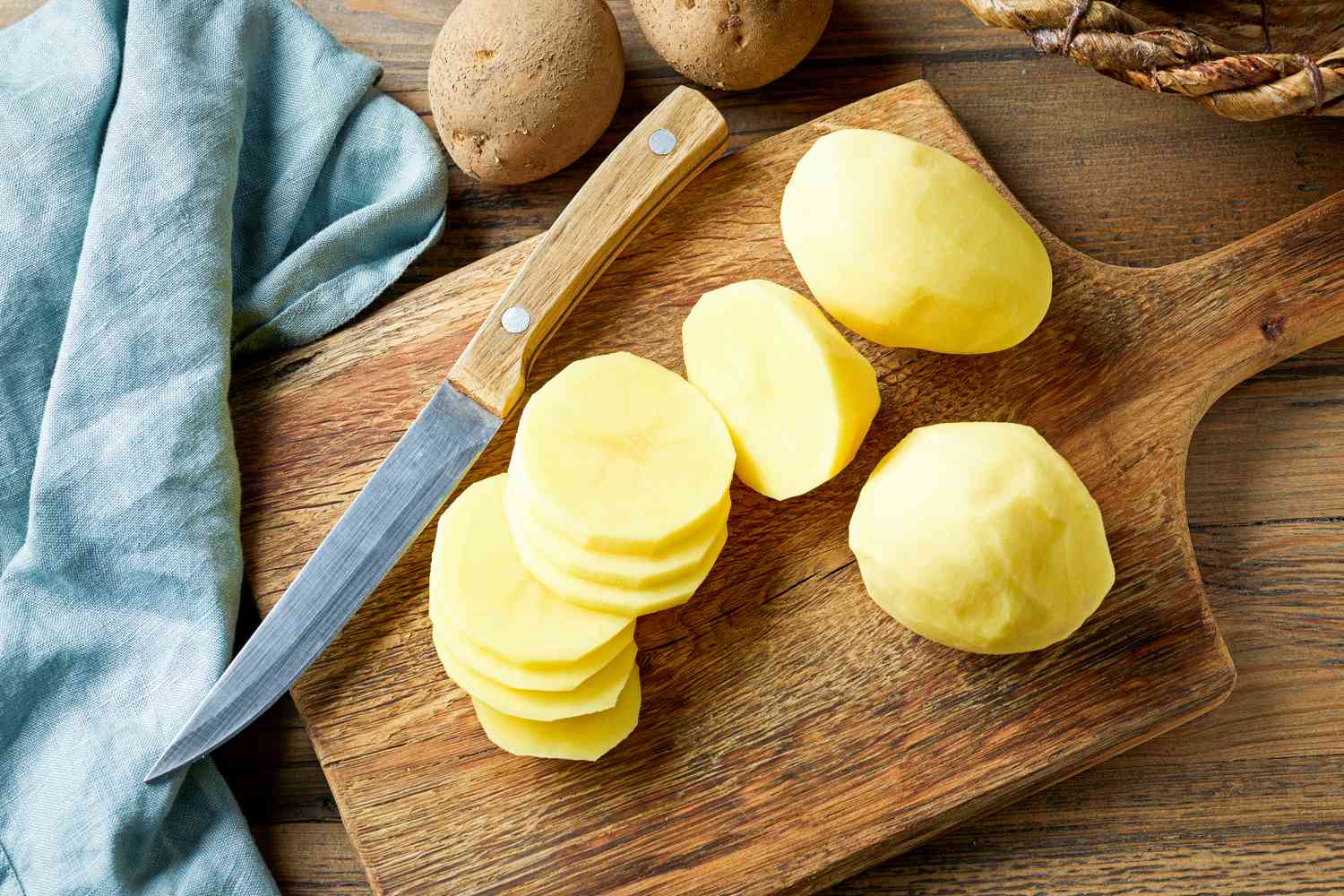
The versatile potato is a staple in many world cuisines. There are many ways to prepare and eat potatoes. Many chefs and home cooks swear that soaking potatoes in water is the best way to prepare them. Why does soaking make a difference? Do you need to soak roasted small potatoes that have been roasted? This article will explain the science behind soaking your potatoes and how it can improve your cooking.
The Science Behind Soaking Potatoes
When you soak your potatoes in cool water, you allow them to release extra starch. Potatoes are naturally high in starch, especially varieties such as Russets. They are frequently used to make fries and baked potatoes. While starch helps to give potatoes their texture and structure, a surplus of starch can produce undesirable results.
Do You Need To Soak Roasted Small Potatoes?
Many people ask if it is necessary to soak the small potatoes when roasting. Do you need to soak the roasted small potatoes? The answer is dependent on the result you want and the potato variety.
1. The Benefits Of Soaking Small Potatoes Before Roasting
Little potatoes, like baby potatoes or fingerlings, are less starchy and absorb less effectively. Although soaking small potatoes prior to roasting is not necessary, it can provide some benefits.
- Crispier Peel: Soaking your potatoes for about 20-30 minutes can help remove excess starch. This allows you to get a crispier surface when you roast them. This method is ideal if you want a golden-brown crunch on the potatoes’ outer surface.
- Even Baking: Even potatoes benefit from soaking when done. Soaked potatoes will not develop an uneven texture. They will also cook more quickly and uniformly.
2. If You Don’t Want To Soak Small Potatoes
In many cases, small potatoes don’t need to be soaked. Waxy potatoes (red or yellow) ‘ lower starch means that they will have a smoother cooking texture. Therefore, it is not necessary to soak these varieties to obtain the desired texture.
Soaking may not be necessary if you want your small potatoes to have a softer and creamier inside texture. Choose whether to soak or otherwise based on your desired texture, such as a crispy, golden outer or a tender, softer inside.
Read more: Street Food Delights: Must-Try Dishes in Indonesia and France
Other Tips For Perfectly Roasted Potatoes
To guarantee that your roasted little potatoes are consistently flawless, you can also adhere to a few guidelines.
Preheating The Baking Sheet
If you want a crispy surface on your roasted spuds, make sure your baking pan is preheated. Put your baking sheet into the oven while it is heating up. Add the potatoes when they reach the desired temperature. This will cause the potatoes to sizzle instantly when they are placed on the pan.
Use Enough Oil
Toss your potatoes with generous amounts of olive or vegetable oil before roasting. Olive or vegetable oils are ideal, as they help crisp the skin while providing a beautiful golden color. Do not cut corners on the amount of oil you use; this will ensure the best texture.
Season Well
Only the seasoning can make roasted potatoes taste as good. If you want to add your own herbs and spices or salt and pepper, try garlic powder, rosemary, and thyme. Season your potatoes thoroughly before roasting. If necessary, add more seasoning at the halfway point of cooking.
Don’t Overcrowd The Pan
When roasting potatoes, leave space between each one on the baking pan. If they are crowded together, the potatoes will steam rather than roast, which means you won’t get that crispy texture. For best results, spread the potatoes out evenly.
Conclusion
Soaking your potatoes before you cook them is simple but effective. Whether it’s for roasted potatoes, mashed potatoes, or fries, this little step may significantly impact the outcome. By soaking potatoes, you will remove excess starch, resulting in crispier and more evenly cooked potatoes. Soaking small potatoes can be beneficial to achieve the perfect skin and cooking. This step is important whether you soak potatoes or not.
Apart from that if you want to know about “Protein Analysis in Food: Unraveling Nutritional Content Through Food Tests” then please visit our food Category
