

When considering flooring options for a home, two of the most popular choices are floor tiles and luxury vinyl tiles (LVT). Both offer durability, style, and a range of finishes, but they differ in terms of installation, maintenance, and overall feel. Choosing between the two depends on personal preferences, the room’s requirements, and long-term considerations.
Durability and Longevity
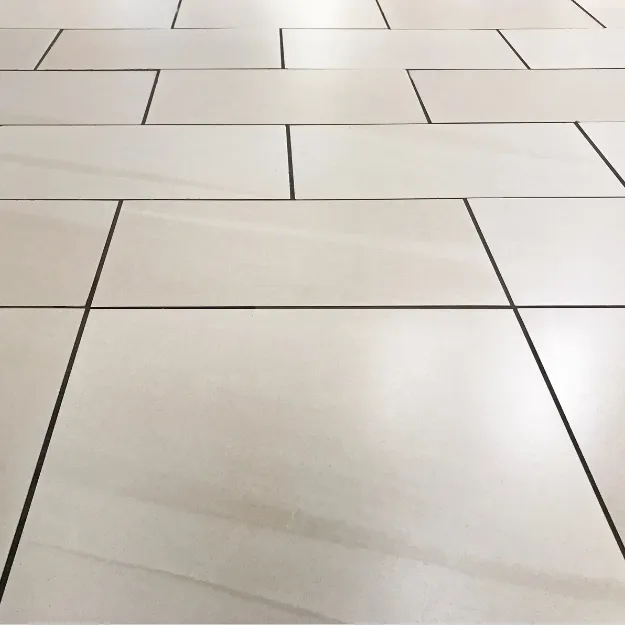
Floor tiles, particularly those made from ceramic or porcelain, are known for their exceptional durability. They are highly resistant to scratches, moisture, and stains, making them an ideal choice for high-traffic areas such as kitchens, bathrooms, and hallways. With proper maintenance, tiled floors can last for decades without losing their aesthetic appeal.
LVT, on the other hand, is designed to be highly durable, but it is not as hard as ceramic or porcelain tiles. High-quality LVT offers good resistance to wear and tear, making it suitable for areas with frequent foot traffic. While it may not last as long as floor tiles, modern LVT flooring comes with impressive warranties and can perform well for many years with minimal upkeep.
Installation and Ease of Fitting
Floor tiles require professional installation due to the complexity of cutting, grouting, and sealing. The process can be time-consuming, and once laid, tiles are difficult to remove or replace. While their long lifespan justifies the effort, the initial installation can be more expensive and labour-intensive than other flooring options.
LVT is much easier to install, with many products featuring a simple click-lock system or adhesive backing. This makes it a popular choice for DIY enthusiasts and those looking for a quick renovation solution. LVT can often be laid over existing flooring, reducing preparation time and installation costs.
Water Resistance and Suitability for Wet Areas
Both floor tiles and LVT perform well in wet areas, but they offer different benefits. Floor tiles, particularly porcelain, are highly water-resistant, making them a natural choice for bathrooms, wet rooms, and kitchens. However, the grout lines between tiles can be prone to staining and require sealing to prevent moisture absorption over time.
LVT is designed with waterproof properties, making it a strong contender for moisture-prone environments. Unlike traditional laminate flooring, LVT does not swell or warp when exposed to water. Its seamless design without grout lines makes it easier to clean and maintain, offering a practical alternative for bathrooms and kitchens.
Comfort and Underfoot Feel
One of the main differences between floor tiles and LVT is how they feel underfoot. Floor tiles, particularly stone and porcelain varieties, can feel cold and hard. While underfloor heating can make tiled flooring more comfortable in colder months, it adds to the overall cost and installation complexity.
LVT provides a softer, warmer feel underfoot due to its multi-layered construction. Many homeowners prefer LVT for living areas and bedrooms where comfort is a priority. The slight cushioning effect makes it easier to stand on for extended periods, which can be beneficial in busy kitchens.
Aesthetic Appeal and Style Options
Both flooring options offer a wide range of styles, patterns, and finishes to suit different interior designs. Floor tiles are available in various natural stone, marble, and wood-look finishes, creating a luxurious and timeless appearance. Glossy, matte, and textured finishes can further enhance the look of a room.
LVT has improved significantly in terms of design, with high-quality options mimicking the look of real wood, stone, and tiles. Many LVT products have realistic embossing that replicates the texture of natural materials, making them a versatile choice for those who want the aesthetics of hardwood or stone without the associated cost and maintenance.
Maintenance and Cleaning Requirements
Maintaining floor tiles is relatively straightforward, requiring regular sweeping and mopping to keep them clean. However, grout lines can accumulate dirt and stains over time, necessitating occasional deep cleaning or resealing.
LVT is low-maintenance, with a smooth surface that resists dirt and stains. A simple wipe-down with a damp mop and mild detergent is enough to keep it looking fresh. Unlike tiles, there are no grout lines to worry about, making it an attractive option for those looking for hassle-free flooring.
Cost Considerations
Floor tiles are generally more expensive to purchase and install due to the materials used and the labour involved in fitting them. However, their longevity often makes them a worthwhile investment for homeowners seeking a long-term flooring solution.
LVT tends to be more budget-friendly, with lower installation costs and a variety of price points to suit different budgets. While it may not have the same lifespan as tiles, its affordability and ease of replacement make it a cost-effective option for many households.
Choosing the Right Flooring for Your Home
Selecting between floor tiles and LVT depends on the specific needs of a home. Those looking for a highly durable and timeless option may lean towards floor tiles, while homeowners prioritising comfort, ease of installation, and affordability may prefer LVT. Both options offer excellent benefits, ensuring there is a suitable flooring choice for every space and lifestyle.
Apart from this, if your interested to know more about How Is Hardwood Flooring Installed? then visit our Home improvement category.
